Snowflake Pattern: A Designer’s Review for Small Business Merch
As an embroidery designer who has spent years digitizing and reviewing files for commercial use, I approach every new machine embroidery design with a critical eye. It is not just about whether the image looks pretty on a screen; it is about how that design translates into thread, how it holds up on fabric, and ultimately, how it serves a business owner’s brand. Recently, I evaluated the Snowflake Pattern, a redwork style file intended for the Winter season. For small business owners, Etsy sellers, and apparel decorators, understanding the nuances of this design is crucial before adding it to your product line.
First Impressions: Visual Personality and Brand Fit
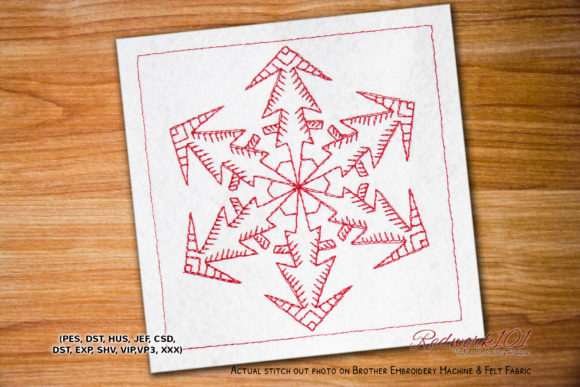
The first thing that strikes you about the Snowflake Pattern is its inherent elegance and simplicity. Redwork embroidery, by definition, relies on a single color thread against a contrasting background, creating a look that is both classic and rustic. This specific pattern feels handmade yet professional. It does not scream "corporate sterile," nor does it feel overly childish. Instead, it occupies a sweet spot that is perfect for boutique brands, creative studios, and artisanal shops.
For a bakery, florist, or local café looking to add seasonal flair to their small business merch, this design offers a friendly and decorative touch. The intricate lines of the snowflake suggest attention to detail, which subconsciously signals quality to the customer. However, because it is a line-art style design, it avoids the heaviness of filled satin stitches. This makes it feel lighter and more modern, suitable for brands that value minimalism and clean aesthetics.
Real-World Applications for Commercial Embroidery
When considering where to place this digital embroidery file, versatility is key. I have tested similar redwork designs on various substrates, and the results inform how I would recommend using the Snowflake Pattern in a real business scenario.
- Embroidered Patches: This is perhaps the strongest use case. A snowflake patch can be ironed or sewn onto denim jackets, canvas totes, or beanies. Because redwork is essentially outline stitching, the patch remains flexible and does not become stiff or board-like, which is a common complaint with heavily stitched patches.
- Apron Embroidery: For bakeries and craft studios, branding aprons is a powerful marketing tool. Placing this snowflake on the chest pocket or the lower corner of a linen apron adds a subtle, premium touch. It identifies staff without being overpowering.
- Cap Embroidery: Front-panel caps are tricky due to the curved surface and limited space. This design works well here if scaled correctly. The open nature of the snowflake allows the fabric texture to show through, preventing the dreaded "puckering" effect often seen with dense logos on hats.
- Tote Bag Design: Canvas bags are a staple for retail shops. A large-scale version of this pattern centered on a tote creates a striking visual. It transforms a simple bag into a handmade product that customers are proud to carry, extending your brand identity beyond the store walls.
Navigating Technical Challenges and Fabric Textures
While the aesthetic appeal is high, any experienced embroiderer knows that technique dictates success. The product description notes that the "Box Stitch shown in the picture is optional" and that the outer box color varies. This is a critical detail for production. If you are running a batch of custom apparel, consistency is vital. You must decide whether to include the box stitch for stability or omit it for a cleaner look.
I advise testing this design on your specific fabric types before committing to a large order. Here are the primary technical considerations:
- Fabric Texture: Redwork relies on clear, crisp lines. On highly textured fabrics like thick wool or terry cloth, fine details can get lost. This design performs best on smooth cotton, linen, or tight-weave twill.
- Stitch Density: Although redwork is generally low density, overlapping lines in a complex snowflake can create bulk. Check your stitch density settings in your software. If the design feels too dense, it may pull the fabric, causing distortion.
- Stabilizer Selection: Do not skimp on stabilizer. For stretchy fabrics like jersey tees, a cut-away stabilizer is non-negotiable to prevent the snowflake from warping after washing. For woven fabrics like tote bags, a tear-away may suffice, but a heat-seal stabilizer can provide extra crispness.
- Thread Colors: Since this is a monochromatic style, thread choice is everything. A matte cotton thread will enhance the rustic, handmade vibe, while a shiny rayon thread will make it look more festive and decorative. Ensure high contrast between the thread and the fabric for maximum visibility.
Impact on Brand Identity and Customer Trust
Why does the choice of embroidery matter for your bottom line? It comes down to perceived value. A generic printed logo feels mass-produced. An embroidered Snowflake Pattern feels intentional and crafted. When customers see high-quality Embroidery on your merchandise, it builds trust. It suggests that you care about the details, which translates to confidence in your core products or services.
For Etsy sellers and crafters, this design can serve as a seasonal accent that refreshes your shop’s look without requiring a complete rebrand. It maintains visual consistency while acknowledging the Winter season. Using this design on gift-with-purchase items, such as small coin purses or ornament tags, enhances the unboxing experience. It turns a transaction into a memorable interaction, fostering buyer engagement and loyalty.
Practical Designer Notes for Production
Before you load this embroidery file into your machine for a client order or personal inventory, follow these steps to ensure a professional finished product:
- Test in Black and White: Before choosing your final thread color, stitch out the design in black thread on white fabric. This reveals any gaps in the digitizing or awkward jumps that might not be visible in a colorful preview.
- Check Scale for Patch Size: If you intend to make small patches, reduce the design size gradually. At very small sizes, the intricate points of the snowflake may merge. Ensure the smallest details remain distinct.
- Confirm Hoop Size: The product description does not specify exact dimensions. Measure your hoop and ensure the design fits with adequate margin for stabilization. Do not attempt to hoop a design that is too close to the edge.
- Create a Printable Mockup: Use digital tools to place the design on photos of your actual products. This helps in marketing and allows clients to approve the placement before you stitch a single thread.
- Verify Commercial Licensing: Always confirm the license terms associated with the design assets you purchase. Ensure you have the right to sell physical items created with this file, especially if you are producing high volumes for commercial embroidery projects.
In conclusion, the Snowflake Pattern is a versatile and aesthetically pleasing addition to any winter-themed collection. Its redwork style offers a blend of tradition and modern simplicity that appeals to a wide audience. By paying attention to fabric choice, stabilizer use, and scale, small business owners can leverage this design to create high-value merchandise that strengthens their brand identity. Whether used on a cozy cap, a sturdy tote, or a delicate patch, this snowflake has the potential to become a signature element of your seasonal offerings.