Pumpkins with Leafs Bluework: A Designer’s Review
As an embroidery designer who has spent countless weekends behind a craft fair table, I have learned that not every machine embroidery design translates into a bestseller. Some designs are beautiful on screen but vanish in person, while others become the anchor of an entire booth display. Today, I am reviewing Pumpkins with Leafs Bluework, a seasonal piece that promises to elevate your autumn inventory. This review is written from the perspective of someone preparing for a high-traffic handmade market, focusing on what actually sells, what looks premium, and how to maximize your return on investment.
First Impressions and Aesthetic Appeal
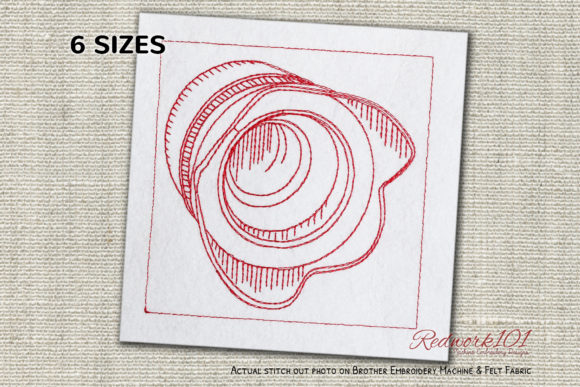
The first thing that strikes me about Pumpkins with Leafs Bluework is its versatility. The term "Bluework" traditionally refers to monochromatic embroidery, often using shades of blue on white fabric, reminiscent of classic Delftware or Chinese porcelain. However, in the context of Halloween and autumn decor, this technique offers a sophisticated twist on the usual orange and black palette. It feels less like a spooky novelty and more like a refined, farmhouse-style accent. This distinction is crucial for Etsy sellers and boutique makers who want to appeal to customers looking for elegant home decor rather than just costume accessories.
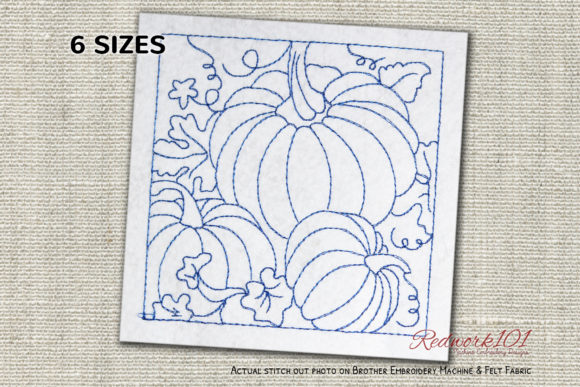
The design features pumpkins and leaves, executed in a style that suggests texture and depth through stitch variation rather than relying solely on color changes. This makes it feel rustic yet modern. For a craft fair booth, this aesthetic stands out because it bridges the gap between traditional holiday cheer and contemporary interior design trends. It is festive without being cluttered, which is a key selling point for buyers who decorate their homes year-round.
Product Applications and Market Fit
When evaluating a new embroidery file, I always ask: where does this live? Pumpkins with Leafs Bluework is exceptionally adaptable. Here is how I would deploy it across various handmade products:
- Tote Bags and Market Bags: This is arguably the strongest application. A large-scale version of this design on a natural canvas tote creates an instant tote bag design that screams autumn harvest. It is practical, visible, and highly giftable.
- Kitchen Textiles: For tea towel embroidery or apron fronts, the bluework style shines. White or cream linen provides the perfect backdrop for the monochromatic stitching, making the details pop. An apron embroidery project using this motif appeals to home bakers and hosts who want to add a touch of seasonal charm to their kitchen.
- Embroidered Patches: If scaled down correctly, this design can work as an embroidered patch. Patches are excellent impulse buys at craft fairs. However, you must ensure the details do not become muddy at smaller sizes.
- Pillow Covers and Home Decor: Placing this design on neutral-toned pillow covers creates a cohesive look for living room updates. It serves as a subtle nod to the season without overwhelming the space.
For small shop product lines, consistency is key. Using this single design across multiple items—towels, bags, and pillows—creates a curated collection that looks professional and intentional. This approach helps in creating strong printable mockup images for online listings, as the visual theme remains consistent across your digital storefront.
Production Practicality and Stitch Quality
From a production standpoint, efficiency is vital when preparing for a busy market season. One notable feature mentioned in the product description is that "The Box Stitch shown in the picture is optional." This is a significant advantage. It means you can adapt the design to fit different hoop size constraints without losing the core motif. If you are working with a smaller hoop for caps or pouches, skipping the outer box allows you to maximize the use of your embroidery area.
Furthermore, the note that "the color of the outer box is a different color in most of the designs unless it is part of the design itself, you can skip the colo[r]" suggests flexibility in thread usage. For batch production, this reduces thread changes and simplifies the workflow. However, attention must be paid to stitch density. Bluework styles often rely on dense filling stitches to create shading effects. When embroidering on textured fabrics like waffle-weave towels or thick canvas, you must ensure the density is appropriate to prevent puckering.
I strongly advise testing the design on scrap fabric before committing to your final inventory. Check how the thread colors interact with your chosen fabric. While blue on white is classic, consider how it looks on oatmeal, sage, or soft gray fabrics to expand your color palette options. Always use the right stabilizer; for lighter fabrics like tea towels, a cut-away stabilizer might be necessary to support the weight of the stitches, whereas a tear-away may suffice for sturdy tote bags.
Visual Impact and Customer Engagement
In a crowded craft fair aisle, visual clarity drives sales. Pumpkins with Leafs Bluework has high contrast potential, which helps it catch the eye from a distance. The silhouette of the pumpkin is universally recognized, ensuring that customers understand the theme immediately. This instant recognition reduces the cognitive load for shoppers browsing quickly.
For commercial embroidery businesses, this design offers a balance of uniqueness and familiarity. It is not so abstract that it confuses buyers, nor is it so generic that it gets lost among thousands of similar listings. When photographing your finished product for online sales, ensure good lighting to highlight the texture of the stitches. The interplay of light and shadow in bluework designs adds a premium feel that photographs beautifully, enhancing the perceived value of the item.
Important Considerations for Sellers
Before you begin mass production, there are several critical checks to perform. First, verify the specific file formats included in your purchase to ensure compatibility with your machine. Second, confirm the commercial licensing terms. As a digital embroidery file buyer, you need to know if you are permitted to sell finished physical goods made with this design. Most designers allow this, but it is essential to read the license agreement carefully.
Additionally, be mindful of fabric texture. Highly textured materials can obscure fine details. If you plan to use this on curved surfaces like caps, consider the placement carefully to avoid distortion. For dark fabrics, you may need to adjust the thread colors or add an underlay to ensure the design remains visible and vibrant.
Finally, create at least one real-world mockup or sample piece to display at your booth. Customers love to touch and feel the quality of embroidery. A well-executed sample of Pumpkins with Leafs Bluework can serve as a powerful conversation starter, demonstrating the craftsmanship and care that goes into every craft fair product you sell.
In conclusion, Pumpkins with Leafs Bluework is a strong contender for your autumn lineup. Its elegant aesthetic, combined with practical production features like the optional box stitch, makes it a versatile asset for embroidery business owners. By paying attention to fabric choice, stabilizer selection, and strategic product placement, you can turn this design into a standout seller that enhances your brand’s reputation for quality and style.